

Early childhood education is one of the most crucial stages of a child’s development, laying the foundation for their academic, social, and emotional growth. Research consistently shows that the first five years of life are a period of immense cognitive development, where a child’s brain is highly receptive to learning. During this time, the interactions children have with their environment, caregivers, and peers play a significant role in shaping their future. Among the most effective ways to support and enhance this development are interactive activities.
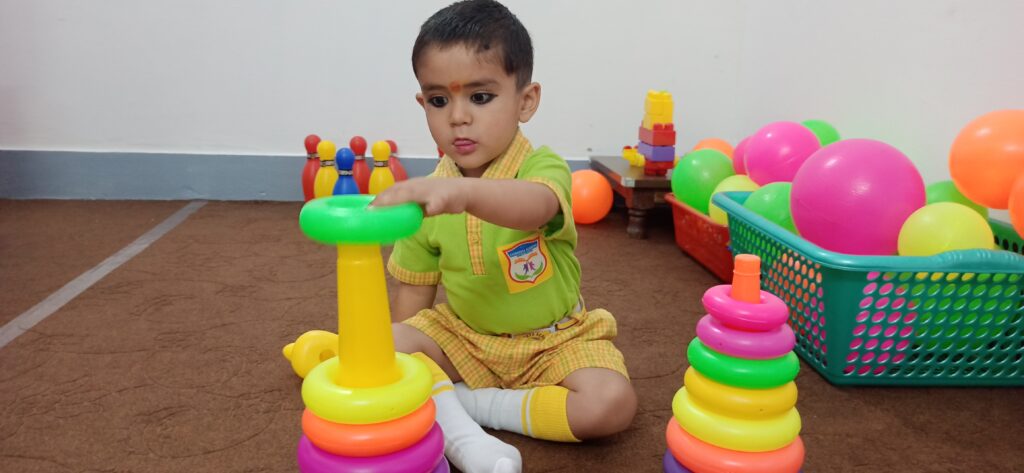
Why Interactive Activities Matter in Early Childhood Development
Interactive activities engage children in a way that is far more than just play—they stimulate critical thinking, problem-solving, and creativity while also nurturing emotional intelligence and social skills. These activities encourage children to explore, question, and experiment, fostering a sense of curiosity that is essential for lifelong learning. But what makes interactive activities so effective?
- Active Learning vs. Passive Learning
Traditional teaching methods often rely on passive learning, where children are listeners or observers. In contrast, interactive activities promote active learning, where children are participants, problem-solvers, and creators. Active learning requires children to use their senses, make decisions, and reflect on their experiences, which leads to deeper understanding and retention of knowledge. - Development of Critical Skills
Interactive activities support the development of key cognitive, social, and emotional skills. Some examples include:- Cognitive Skills: Through activities like puzzles, matching games, or storytelling, children develop critical thinking, memory, and problem-solving abilities. These skills are the foundation for more complex academic tasks later on.
- Social Skills: Group activities such as circle time, collaborative games, or role-playing teach children important social skills, including communication, sharing, and cooperation.
- Emotional Intelligence: Activities that require turn-taking, empathy, and group discussions help children understand and regulate their emotions, fostering emotional resilience.
- Hands-On Learning Encourages Creativity
Children are natural explorers, and interactive activities allow them to experiment and express themselves creatively. Whether it’s through art, music, or building projects, hands-on activities encourage children to think outside the box, explore new possibilities, and express their unique ideas. These creative experiences contribute to brain development, especially in areas related to problem-solving and abstract thinking. - Building Confidence and Independence
As children engage in interactive activities, they learn to take risks and make decisions, which builds their confidence. Completing a task, solving a problem, or achieving a goal—no matter how small—gives children a sense of accomplishment. This fosters a “can-do” attitude, which is vital for success in both academic and social settings. - Nurturing Language and Communication Skills
Many interactive activities—such as storytelling, group discussions, and games—promote language development. As children communicate with their peers and caregivers, they learn new vocabulary, sentence structures, and conversational skills. The back-and-forth nature of interactive activities, especially in group settings, provides children with rich opportunities to practice language in a meaningful context.
Examples of Interactive Activities That Foster Development
Interactive activities are diverse and can be tailored to different learning styles, ages, and developmental stages. Here are some examples that can be easily integrated into early childhood education programs:
- Storytelling and Read-Alouds:
Reading books together and engaging children in discussions about the story helps develop listening, comprehension, and language skills. Asking open-ended questions during or after reading encourages critical thinking and imagination. - Art and Craft Projects:
Drawing, painting, or crafting with various materials fosters creativity and fine motor skills. These activities allow children to express their emotions and ideas in a tangible way, building self-expression and problem-solving abilities. - Group Games and Role-Playing:
Games like “Simon Says,” group dancing, or role-playing scenarios (e.g., pretending to be doctors, teachers, or shopkeepers) help children practice social interactions, empathy, and cooperation. Role-playing also stimulates imaginative thinking, which is essential for cognitive development. - Building Blocks and Puzzles:
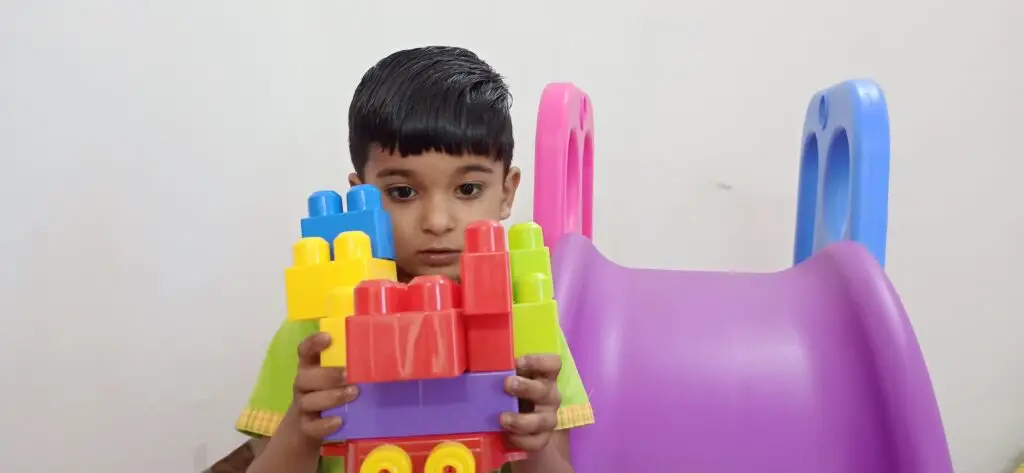
Activities that involve building or constructing—such as using blocks, Lego sets, or completing puzzles—encourage spatial awareness, logic, and fine motor coordination. These activities also teach children about patterns, sequencing, and cause-and-effect relationships. - Outdoor Exploration:
Nature walks, gardening, or simply exploring outdoor environments allow children to engage their senses, observe the world around them, and develop a sense of curiosity. Outdoor activities are also beneficial for physical development, helping children build gross motor skills and coordination.
The Role of Educators and Caregivers in Interactive Learning
While interactive activities are powerful tools for learning, they are most effective when guided by skilled educators or caregivers who understand the developmental needs of children. Educators play a vital role in facilitating these activities by creating a safe, supportive environment and providing children with the right balance of guidance and freedom to explore.
Key aspects of the educator’s role include:
- Providing Structure and Support: Offering a clear structure for activities while allowing children to express their creativity and curiosity within that framework.
- Modeling Positive Behaviors: Demonstrating patience, empathy, and communication skills, which children can model in their own interactions.
- Encouraging Collaboration: Encouraging children to work together, share ideas, and learn from one another, promoting social development and teamwork.
- Creating an Inclusive Environment: Ensuring that activities are accessible and meaningful for all children, regardless of their background, ability, or learning style.
Conclusion: Interactive Activities as a Foundation for Lifelong Learning
Interactive activities are more than just fun and games—they are essential building blocks for early childhood development. By actively engaging children in their learning experiences, we help them develop the cognitive, social, emotional, and creative skills they need to succeed in school and in life. These activities promote critical thinking, foster a love for learning, and equip children with the confidence and independence to navigate the world around them.
As educators, caregivers, and parents, it’s our responsibility to create environments where children can thrive through meaningful, interactive experiences. By doing so, we are not only shaping their early development but also laying the groundwork for a lifetime of learning, exploration, and growth.
Let’s continue to nurture curiosity, creativity, and critical thinking in the young minds of today—so they can become the leaders and innovators of tomorrow.
Leave a Reply